

When a Product Delivery Consultant Is Needed
A product delivery consultant brings order to stalled roadmaps, unclear ownership, and risky releases so teams can plan, decide, and ship reliably each week.


A roadmap can look credible in a leadership deck and still be impossible to deliver. The usual warning signs are familiar: engineering is busy but releases are thin, priorities change faster than work can be completed, and every planning meeting creates more questions than decisions. A product delivery consultant is brought in to turn that confusion into an operating system the team can actually use.
This is not a role for adding ceremonies or producing a cleaner-looking backlog. It is an intervention for teams whose product delivery has lost a clear line from business intent to released customer value. The work starts by identifying where commitments break, who has the authority to resolve trade-offs, and what must change before the next release becomes predictable.
What a Product Delivery Consultant Actually Does
The job is often misunderstood as project coordination. Coordination matters, but it is not enough. A senior delivery operator makes the choices that coordination alone cannot make visible: what should be deferred, what needs further discovery, which dependency is real, and which stakeholder decision is blocking progress.
A product delivery consultant begins with the work already in motion. That includes the roadmap, backlog, delivery metrics, release process, product requirements, engineering constraints, and the informal commitments made in Slack, meetings, and executive conversations. The aim is to establish one credible view of what is being built, why it matters, and what has to happen before it can ship.
That usually means reshaping a backlog from a collection of requests into ordered, executable work. Items need a clear outcome, an owner, acceptance criteria appropriate to the risk, and known dependencies. Some need to be split. Some should return to discovery. Some should be stopped because the commercial case no longer holds.
The consultant also creates a delivery cadence tied to how the business runs. For one company, that may mean weekly decisions around experiments, affiliate performance, and conversion. For another, it may mean aligning release readiness with a regulated market launch, payment provider approval, or a major live event. The ritual is secondary. The operating rhythm must help the team make decisions early enough to protect the release.
The work is visible, not abstract
A useful engagement produces practical artifacts and habits: a ranked backlog that people trust, a definition of done that includes QA and operational requirements, release criteria that are not negotiable at the last minute, and a simple view of risks, decisions, and dependencies.
It also makes ownership explicit. A design question belongs to someone. A compliance review has a due date and a decision-maker. A scope reduction is recorded as a trade-off, not quietly absorbed by an already stretched engineering team. This level of clarity reduces the human cost of delivery chaos. People stop having to guess what is expected or defend work that was never properly agreed.
The Symptoms That Justify Outside Delivery Support
Not every delayed initiative needs a consultant. A team can have a difficult quarter because a market changed, a critical vendor failed, or a technical incident consumed capacity. The stronger signal is repetition: the same kinds of delivery failures keep returning despite capable people and plenty of activity.
Outside support is usually justified when several of these conditions are true:
- The backlog contains hundreds of items, but nobody can explain the next most valuable release.
- Stakeholders bypass agreed priorities and push work directly into the team.
- Estimates are treated as commitments before requirements, dependencies, or technical approaches are understood.
- QA, security, compliance, content, SEO, supplier, or customer experience needs appear close to release rather than during planning.
- Teams report progress by activity while leaders cannot see what will ship, what may slip, or what decision is needed.
These are not simply process problems. They are failures of product leadership and decision flow. Adding another status meeting may make the issue more visible, but it will not resolve a conflict between revenue goals, platform stability, and an immovable launch date.
Consider a multi-market gaming platform preparing a new feature. Product may see a retention opportunity, commercial teams may want a campaign date, and engineering may identify a payment or account-state dependency. If the team does not force a decision on scope, market eligibility, and release criteria, the deadline will still exist. The delivery plan will just become fiction.
How the Engagement Should Work
The fastest way to waste consulting time is to begin with a generic transformation plan. A delivery audit should first examine a defined window of work: recent releases, currently committed initiatives, blocked decisions, backlog health, and the journey from idea through production.
The initial output should be candid. It should say whether the primary constraint is unclear strategy, weak product ownership, fragmented stakeholder governance, uncontrolled work intake, technical dependency, poor release discipline, or a combination. It should distinguish symptoms from causes. A large backlog, for example, may be the symptom of no intake rules rather than the central problem.
From there, the engagement needs a short set of operational changes with named owners. That might include establishing weekly prioritization, resetting the active roadmap, writing release readiness criteria, or creating a decision log for cross-functional dependencies. The changes must fit the organization's reality. A 15-person remote product team should not be given the governance model of a global enterprise. Conversely, a regulated product should not rely on informal approval paths simply because the team prefers speed.
Fractional Product Owner or delivery leadership support is particularly effective when the organization has a temporary ownership gap or needs an experienced operator embedded two or three days per week. The consultant can lead backlog refinement, clarify requirements with engineering and QA, run stakeholder decisions, and create a dependable release rhythm while internal leaders focus on hiring or broader business priorities.
For a larger failure, an advisory-only model may be too distant. If priorities are still being changed in private conversations or releases are being approved without evidence, the person diagnosing the issue needs enough authority and access to correct it. This is the trade-off buyers should examine carefully: a lighter engagement is less disruptive, but it may not change the daily behavior causing the problem.
What Better Delivery Looks Like
Predictable delivery does not mean every date is fixed months in advance. It means uncertainty is visible, actively managed, and reduced at the right time. Leaders know the difference between a discovery target, a planned release, and a committed launch. Teams know what they can start, what they must finish, and what conditions define acceptable quality.
The practical results are usually straightforward. Fewer items are active at once. Stakeholder requests enter through a visible path. Requirements arrive with sufficient context. Risk reviews happen before launch week. When a date is at risk, the team can offer options: reduce scope, move the date, add capacity only where it helps, or accept a clearly stated commercial and technical risk.
This is especially valuable in businesses where a release crosses several functions. Affiliate products may depend on commercial tracking, content, SEO, and reporting. Global event brands may coordinate editorial schedules, ticketing, audience experience, and platform load. Regulated platforms may need security, payment, legal, and market-specific signoff. The delivery lead's value is not pretending these dependencies do not exist. It is putting them into the plan early enough for the organization to act.
Choosing the Right Person for the Work
Look for evidence of hands-on ownership, not just familiarity with delivery vocabulary. A credible consultant should be comfortable reviewing a poorly structured backlog, challenging a vague request, speaking with engineers about technical constraints, and explaining a scope decision to executives without hiding behind process language.
Ask how they handle competing priorities, missed commitments, and a release that is not ready. The answer should include trade-offs and accountability. Be cautious of anyone who promises certainty without asking about team capacity, architecture, dependencies, or decision rights. Delivery improves when the difficult facts are surfaced early, not when they are polished away.
The right product delivery consultant leaves the team with more than a report. They leave behind clearer decisions, better working agreements, and a delivery rhythm people can sustain after the engagement ends. Start with the next release that matters, make its trade-offs explicit, and use what the team learns to restore confidence one completed commitment at a time.
Written by Veljko Barnić
Product Owner and delivery consultant in Belgrade. Six years leading end-to-end delivery for affiliate and iGaming platforms, and open to Head of Product, Head of Delivery and senior product roles.
More on delivery

Fractional Product Owner vs Consultant Explained
Compare a fractional product owner vs consultant to identify the support your team needs for backlog control, decisions, delivery cadence, and releases.
Read the article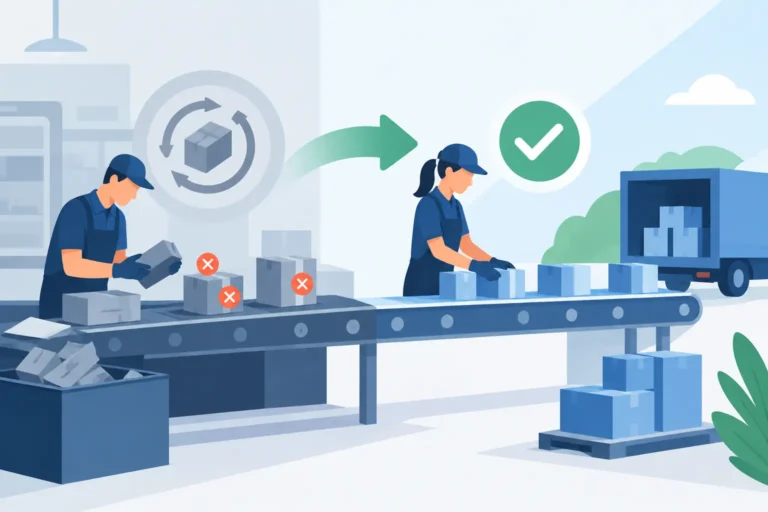
How to Reduce Product Rework Without Slowing Delivery
Learn how to reduce product rework by fixing unclear decisions, weak discovery, and release gaps before they turn into expensive delivery churn at scale.
Read the article
When Fractional Product Services Actually Work
Fractional product services give stalled teams senior ownership, clear priorities, accountable decisions, and reliable releases without a full-time hire.
Read the articleSomething isn't shipping. Let's find out why.
Send me three sentences about what's stuck, or take the free 30-minute call. Either way you'll get an honest read - including if the answer is that you don't need me.